Fixing Communities Together: Library and Council Pop-Up Repair Collaborations
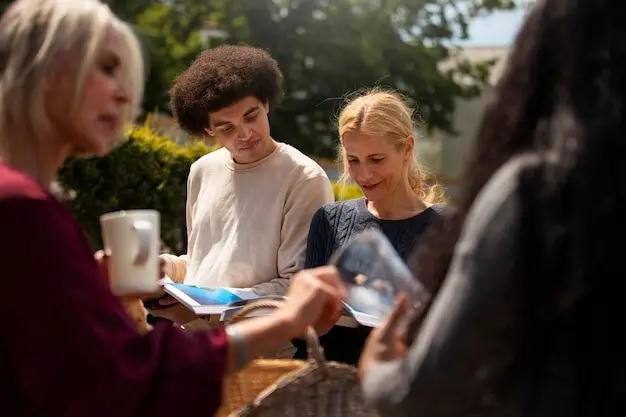
Today we’re diving into partnering with libraries and councils to host pop-up repair sessions that make fixing everyday items easy, social, and empowering. By blending trusted civic spaces, municipal support, and skilled volunteers, these gatherings cut waste, grow confidence, and strengthen local bonds while celebrating resourcefulness, practical learning, and joyful climate action in neighborhoods that need accessible, welcoming places to build repair culture.

Trusted Doors, Welcoming Floors

Libraries embody openness, free learning, and equal access. People who might hesitate to visit a makerspace or private workshop already feel comfortable among books, storytime corners, and study tables. That gentle atmosphere encourages participation, especially from families, newcomers, and older residents. When a broken lamp arrives beside the returns desk, it meets patience, practical guidance, and a sense of belonging that transforms repairs into shared neighborhood experiences.

Municipal Allies With Reach

Councils connect departments, venues, and communication channels across an entire locality. Their networks unlock rooms, tables, permits, and power outlets, while amplifying outreach through newsletters, social feeds, and partner organizations. This institutional reach boosts attendance and volunteer interest without overwhelming grassroots groups. It also strengthens legitimacy, helping risk managers, facilities teams, and maintenance staff feel aligned with repair goals that reduce waste collection costs and support circular economy ambitions.

Designing a Seamless Event

A successful pop-up repair session balances ambition with clear boundaries, creating a calm flow that respects safety, time, and energy. Define eligible items, anticipate parts, and prepare signage. Then choreograph triage, volunteer roles, and hospitality. Thoughtful pacing, cheerful check-ins, and visible wins keep momentum alive. By planning details in advance, you create room for stories, breakthroughs, and shared learning to bloom like well-tended community gardens.

Scope, Safety, and Sense

Set a realistic scope so people know what to bring and volunteers know what to expect. For example, allow small appliances, lamps, clothing, toys, and bicycles, while excluding gas devices or high-voltage electronics. Post safety notices, provide PPE, and use grounded power strips. A simple risk assessment, first-aid kit, and clear escalation rules protect everyone. Good boundaries transform anxiety into confidence and keep the focus on thoughtful, teachable repairs.

Triage, Flow, and Comfort

Start with a welcoming intake table that logs items, captures simple diagnostics, and assigns color-coded tickets. A visible queue and honest time estimates reduce frustration. Place seating near workstations so owners can observe, learn, and participate. Offer water, tea, and a kids’ crafting corner to soften waits and spark conversations. Small touches—clipboards, signage, gentle music—steady the rhythm, turning a roomful of broken things into a friendly choreography of problem-solving.

Tools, Power, and Spares

Create a shared toolkit: screwdrivers, pliers, multimeters, seam rippers, darning mushrooms, bike pumps, lube, and patches. Label tool zones clearly and prepare extension leads with surge protection. Stock common spares like fuses, bulbs, screws, zippers, buttons, and cables, plus scrap fabric for patches. Keep magnifiers and task lights handy. An organized caddy for consumables saves minutes that multiply into finished fixes, smiles, and confident owners carrying sturdier belongings home.

Agreements, Insurance, and Governance
Clear agreements build trust between organizers, libraries, and councils. A short, plain-language document outlining responsibilities, insurance coverage, safeguarding expectations, and data practices prevents confusion later. Confirm room bookings, storage rules, publicity approvals, and photography consent. Keep liability language friendly but specific. With shared understanding in writing, volunteers relax, facilities teams feel respected, and the community experiences a smooth event that models accountability as naturally as it models careful, joyful repair.

Volunteers and Skill-Sharing

Volunteers are the beating heart of every pop-up. Blending tinkerers, sewists, cyclists, librarians, and facilities staff creates a cross-disciplinary team that teaches as it repairs. Recruit warmly, train consistently, and celebrate efforts publicly. When mentors explain patiently, owners learn transferable skills. When small wins are applauded, confidence multiplies. A culture of kindness keeps tools circulating, questions welcome, and mistakes reframed as steps toward stronger hands, clearer thinking, and resilient neighborhoods.

Outreach That Fills the Room

Great repairs need great turnout. Use the library’s bulletin boards, council newsletters, school flyers, faith groups, and neighborhood chat apps. Promote learning, saving money, and climate benefits, but lead with friendly faces and practical outcomes. Share before-and-after moments, invite bilingual ambassadors, and highlight accessible hours. Consistent, real-world messaging beats hype, setting accurate expectations and attracting people who will bring items, stories, patience, and the curiosity that sparks community magic.

Channels That Actually Reach

Coordinate with librarians for endcap displays featuring repair books, paired with event details and QR codes. Ask councils to include a short blurb in bin-day emails and community calendars. Drop posters at laundromats, bike shops, and cafés. Keep the message clear: free guidance, friendly volunteers, and no pressure. Repetition across trusted, hyperlocal channels is more powerful than polished advertising, converting idle intention into neighbors arriving with tote bags and hopeful smiles.

Narratives With Real People

Tell stories about a child’s toy mended for another birthday, a winter coat relined before snowfall, or a grandmother’s lamp rewired to glow safely again. Pair photos with short quotes about relief, pride, and gratitude. People come for technical help, yet stay for meaning. Real narratives lower anxiety, normalize learning, and remind everyone that repair isn’t about perfection—it is about connection, care, and continuity across households and generations.

Accessibility, Language, and Timings

Offer evening or weekend slots to include shift workers and families. Provide step-free access, clear signage, and chairs near each station. Translate flyers into prevalent local languages and recruit interpreters when possible. Mention quiet hours for sensory-friendly participation. Publish what to bring, how long it might take, and what cannot be handled safely. Predictability, clarity, and hospitality turn curiosity into attendance, and one visit into a habit that strengthens local resilience.

Measuring, Learning, and Scaling

Collect counts for item types, outcomes, and volunteer hours, plus rough weight estimates to translate fixes into landfill savings. Capture owner-reported value—replacement cost avoided or sentimental meaning preserved. Visualize results on a simple one-pager for council briefings and library boards. When numbers and stories travel together, funders understand impact, volunteers feel proud, and residents see proof that an afternoon of patience can ripple through budgets and ecosystems.
After each session, host a 20-minute huddle: what flowed, what jammed, what surprised. Invite facility staff, librarians, and volunteers to speak candidly. Review intake notes and queue times. Adjust signage, furniture, or scope before the next date. Share changes publicly so participants recognize evolving care. Fast, respectful learning compounds like interest, transforming a modest pilot into a reliable staple on community calendars without losing the neighborly spark that started everything.
Bundle checklists, MOUs, waivers, safety briefs, layouts, shopping lists, and outreach templates into a download for partner sites. Include photos, sample budgets, and short videos that demystify setup. Encourage adaptations for local context—different languages, building layouts, or waste-stream priorities. Offer office hours to mentor new hosts. Replication is not cloning; it is grafting sturdy practices onto unique communities so each library-council partnership grows in its own voice while sharing core values.
Mexorinotorapalodarikira
Privacy Overview

This website uses cookies so that we can provide you with the best user experience possible. Cookie information is stored in your browser and performs functions such as recognising you when you return to our website and helping our team to understand which sections of the website you find most interesting and useful.