
Fix, Measure, Repeat: Turning Local Repairs into Real Climate Wins
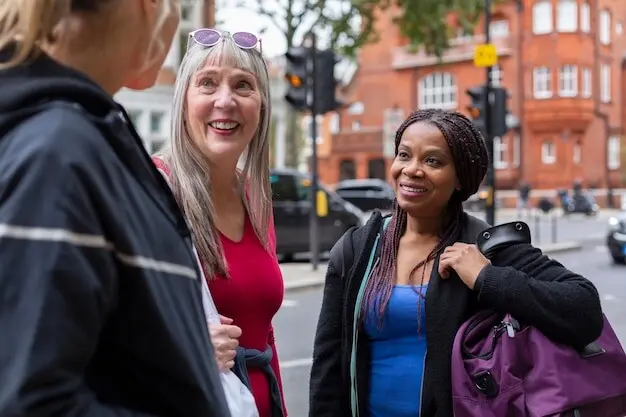
Today we focus on measuring the environmental impact of local repair events in the UK, translating a Saturday of mending phones, patching jeans, and fixing kettles into clear estimates of carbon avoided, waste diverted, and resources conserved, with practical methods communities, councils, and volunteers can trust and use.

Why Counting Repairs Changes Everything

Repair events already build connection and confidence, but counting outcomes reveals their hidden power. When we track avoided purchases, extended lifetimes, and prevented waste, small victories become visible climate benefits. Clear metrics turn friendly gatherings into credible circular economy proof points that help secure venues, funding, and partnerships with councils, libraries, and universities eager to support practical, community-led sustainability that people can see, understand, and join with pride.

Waste Averted and Materials Saved

Every successful repair keeps valuable materials in use, whether copper in a toaster, lithium in a phone battery, or cotton in a beloved shirt. Estimating weight, material composition, and disposal pathways helps quantify landfill and incineration avoided. This perspective moves the spotlight from guilt about waste to practical prevention, celebrating volunteers who turn broken things into durable companions while reducing extraction pressures upstream and disposal burdens downstream across towns and cities.

Carbon Avoided Through Extended Lifetimes

Manufacturing new products carries heavy embodied emissions. Extending the life of a laptop or smartphone by even one or two years can avoid a significant share of that manufacturing footprint. By pairing simple product archetypes with UK emissions factors, events can credibly estimate greenhouse gases avoided when participants postpone replacement. The result is a relatable climate story that links a quick fix on a Saturday to months of emissions savings that continue accumulating quietly.

Community Scale Adds Up Across the UK

A single mended kettle seems minor until results are aggregated across regions and months. When repair groups share consistent metrics, patterns emerge: hotspots for electronics, textile wins, and common fault categories that inspire shared toolkits. Pooled data also highlights surges during cost-of-living pressures, demonstrating resilience benefits. These aggregated insights help networks advocate for repair-friendly policies and educational programs, showing that hundreds of local successes together equal a measurable national contribution to sustainability.

Collecting Trustworthy Data at Busy Community Events

Repair sessions are lively and time is short, so data capture must be quick, kind, and consistent. Lightweight forms, clear categories, and a friendly script help volunteers gather the details needed for strong impact estimates. Building habits around weighing items, noting outcomes, and recording lifetime expectations turns each event into a dependable data point. Over time, small improvements in collection practice produce big gains in credibility, comparability, and policy relevance across growing community networks.

Intake Forms That Capture What Matters

Start with a simple, readable intake sheet: item type, brand or archetype, estimated age, reason for failure, and hoped-for outcome. Add fields for parts used, repair duration, and confidence in success. Provide examples at the table so volunteers apply categories consistently. Keep it human by explaining why the data matters, gaining consent, and reassuring visitors that repairs come first. A well-designed form becomes an invisible colleague, quietly organizing stories into structured evidence for impact.

Weighing, Categorizing, and Documenting Outcomes

A compact digital scale, a reference chart for common materials, and a short taxonomy for outcomes make all the difference. Record whether items were fully repaired, temporarily patched, or beyond repair with learning gained. Note any spare parts installed and whether the owner plans to keep using the item. Photos of fault points, with permission, support training later. This careful documentation sustains accurate waste diversion estimates and strengthens failure mode insights for future preventative guidance.


From Device to Dataset: Methods That Withstand Scrutiny

Impact claims must feel fair, transparent, and repeatable. By pairing product archetypes with conservative assumptions and well-cited UK factors, community groups can build datasets that stand up to questions from journalists, funders, or councils. Clear documentation of lifetime extension, replacement scenarios, and uncertainty ranges ensures that results are helpful rather than inflated. When methods are shared openly, more groups adopt them, enabling robust comparisons and stronger stories that inspire broader participation in practical climate action.

Stories from Halls, Libraries, and High Streets

Numbers persuade, but stories invite hearts to stay. Across the UK, people arrive with treasured objects and leave with relief, knowledge, and lighter footprints. A quick solder, a new zip, or a patient diagnosis can postpone costly replacement. These moments, when paired with honest metrics, become powerful examples for councils and neighbors. They show that practical climate action can be friendly, affordable, and repeatable, turning local spaces into laboratories of hope and measurable progress together.

A London Laptop and a Second Life

In a bustling community hall, a volunteer replaced a tired battery and cleaned a fan clogged with dust. The owner deferred buying a new machine, extending life by at least two years. Conservative embodied carbon estimates turned that quiet success into a notable avoided footprint. The grateful student later joined as a helper, showing how impact multiplies when recipients become contributors, strengthening local capacity while the original device keeps serving essays, job searches, and creative projects.

A Kettle in Leeds and the Cost of Cheap Appliances

A kettle that tripped breakers found new life after a patient diagnosis uncovered a frayed cord and loose connector. A simple, low-cost part kept metal and plastics in circulation and delayed purchase of a replacement. The owner learned how to spot early warning signs, reducing risk and future waste. Documented weight and a small embodied carbon archetype estimate produced a modest but honest saving, which multiplied across similar fixes in the city’s monthly repair gatherings over time.

Beyond Carbon: Social Signals That Support a Circular Culture

Repair events nurture skills, pride, and local trust. While carbon and waste metrics anchor credibility, softer outcomes explain momentum: people feel empowered, neighbors connect, and local fixers become visible. Proxies like repeat attendance, skill-sharing moments, or referrals to independent repair shops capture part of this value. When communities cultivate spaces where learning is celebrated and mistakes welcomed, practical sustainability becomes normal, influencing purchasing choices, care habits, and repair decisions that quietly reinforce environmental benefits month after month.

Skill Transfer and Confidence as Precursors to Repair Choices

First-time visitors often watch closely, then ask to try a screwdriver or stitch a seam. Recording these moments alongside the technical outcome highlights how confidence grows. When people understand a fault and its fix, they are more likely to maintain, clean, and troubleshoot earlier next time. That cultural shift lowers future failure rates and supports honest, lasting impact, even when today’s repair falls short. Confidence is the soil where measurable, repeatable environmental improvements take root and thrive.

Local Businesses and Repair Networks Strengthened

Community sessions often refer complex jobs to independent shops, while shops donate occasional parts or advice in return. Track these referrals and collaborations to show a living ecosystem, not a one-off event. When councils see data-backed cooperation, they are more inclined to promote repair-friendly high streets and procurement. Local economies benefit from services instead of waste, and citizens discover trusted experts nearby. These relationships amplify measurable environmental savings through professional repairs that follow after the first helpful conversation.

Inclusive Events That Reduce Digital and Material Inequality

Accessible venues, welcoming signage, and patient explanations invite participation from people who might otherwise be excluded. Record features like step-free access, multilingual helpers, or pay-what-you-can refreshments. Track device types and owners’ reasons for attending to surface affordability pressures. Helping someone keep a phone functional can sustain civic participation, education, and safety. Such outcomes complement carbon savings, revealing environmental justice dimensions. When inclusion is measured, it becomes part of the story funders and neighbors can recognize and support.

Turning Numbers into Influence, Funding, and Better Events

Great datasets should help decisions today and inspiration tomorrow. Present results in plain language, with humble assumptions, so busy councillors, journalists, and venue partners quickly grasp significance. Translate kilograms and kilograms of CO2e into avoided purchases, days of use, or bins diverted. Share open tools so others can replicate. Then close the loop by improving training and logistics based on findings, creating a cycle where friendly gatherings steadily become more impactful, resilient, and welcoming for new volunteers.

Dashboards and Simple Narratives for Councils and Funders

Combine charts with three or four clear sentences that explain what changed and why it matters. Show before and after figures for lifetime extension, diversion, and travel emissions. Present conservative ranges and cite sources prominently. Include a short quote from a visitor or volunteer to humanize the numbers. When decision makers can retell your story easily, they become champions, opening doors to venues, small grants, and communications that grow participation and multiply measurable environmental benefits locally.

Targeted Improvements Guided by the Data You Collect

If electronics repairs lag while textiles thrive, recruit a new volunteer with diagnostic skills or run a training evening focused on common charging faults. If travel emissions appear high, test clustered neighborhood sessions or link bus timetables in reminders. Use outcome rates to plan tool purchases, parts libraries, or triage flows. Each small, data-informed adjustment compounds over months, turning a good event into a learning system where impact rises reliably without chasing flashy claims or fragile assumptions.

Inviting Readers to Contribute, Volunteer, and Share Results

Join by bringing an item, shadowing a fixer, or helping with friendly intake conversations. Offer to pilot a weighing station, refine archetypes, or translate the methodology for your town newsletter. Subscribe for templates, share your month’s results, and compare notes across regions. Your participation strengthens the dataset and the welcome people feel at the door. Together we can keep more beloved objects in use, reduce emissions honestly, and prove that practical community action changes outcomes we can measure.
Mexorinotorapalodarikira
Privacy Overview

This website uses cookies so that we can provide you with the best user experience possible. Cookie information is stored in your browser and performs functions such as recognising you when you return to our website and helping our team to understand which sections of the website you find most interesting and useful.